
In honor of Women's History Month, we are celebrating the remarkable women of Loma Linda University's School of Behavioral Health who dedicate their lives to serving others. This month, we invited some faculty members to share their stories—the experiences that shaped them, the values that sustain them, and the wisdom they carry into their classrooms and communities every day. Their words remind us that meaningful work is born not just from education and expertise, but from faith, resilience, and a deep commitment to human flourishing.
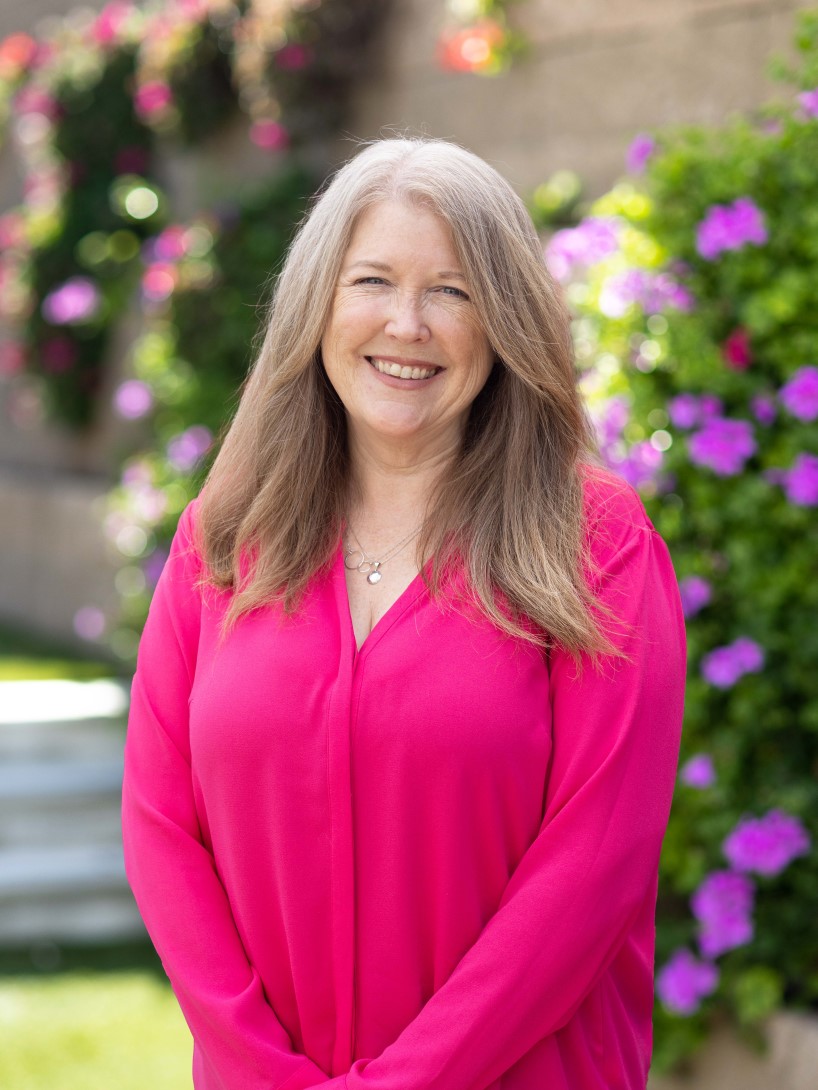
Kimberly R. Freeman, PhD, MSW
Executive Associate Chair, Social Work and Social Ecology
Professor, Social Work and Social Ecology
Director, Doctor of Social Work (DSW) Program
Q: What is your professional background and what inspired you to pursue your career path?
A: I am a first-generation college graduate and never imagined that I would one day earn a PhD in psychology. I was always drawn to the helping professions, but early in my career I worked in a management position at a movie theater. After my daughter was born, I decided to attend San Bernardino Valley Community College to earn a child development certificate so that I could open my own daycare center. However, once I was exposed to the learning environment, I kept going. I discovered a deep passion for working with infants, children, and families. I came to understand how important early childhood development is and the lasting impact it can have on lifelong well-being. That realization inspired me to continue my education and build a career focused on supporting families and early development.
Q: What practices or boundaries have helped you sustain your well-being throughout your career?
A: Faith, family, and friendships are essential in my life. I would also include my colleagues in that circle, because the work we do can be demanding and emotionally complex. Having trusted professional relationships with people who understand the challenges of the work and can offer support and consultation is incredibly valuable. This connections create a strong foundation that helps maintain balance and allows me to remain present both in my professional and personal life.
Q: How has your work influenced your perspective on women's health and well-being?
A: Becoming a mother is one of the most meaningful, and often challenging, times in a woman's life. There is tremendous joy, but also a strong desire to do everything "right." Through my work, I have seen that many mothers spend a great deal of time preparing for the birth of their baby but less time preparing for what happens after the baby arrives. Supporting women by helping them understand their infant's needs can be incredibly empowering. Learning how to read infant cues—such as recognizing infant states and using soothing techniques—is a valuable skill during the first year of life. In addition, the importance of early bonding and attachment in shaping the mother–child relationship cannot be overstated. Strengthening these connections supports the well-being of the child, the mother, and the entire family.
Q: What challenges have you faced in your career or life, and how have they contributed to your growth?
A: One of the biggest challenges I have faced in my career has been learning not to get in my own way. It can be difficult to be surrounded by highly accomplished individuals and not compare yourself or feel "less than," especially when your journey began from a different starting point. It can also be challenging to remain confident when you see things from a different perspective than others and must hold your opinion in the face of disagreement. Over time, I have learned that those differences in perspective are often strengths rather than limitations, and embracing them has been an important part of my professional growth.
Q: What advice would you give to students or early-career professionals who want to pursue meaningful and impactful careers?
A: My advice is to pursue what you love and to say yes to opportunities that come your way. When you enjoy the work you are doing, it rarely feels like a burden and instead creates excitement about what comes next. Some of my most rewarding experiences have come from opportunities that initially felt intimidating—such as presenting at conferences, conducting international trainings, and taking on leadership roles. These opportunities opened doors I never imagined possible. None of them would have happened if I had said no.
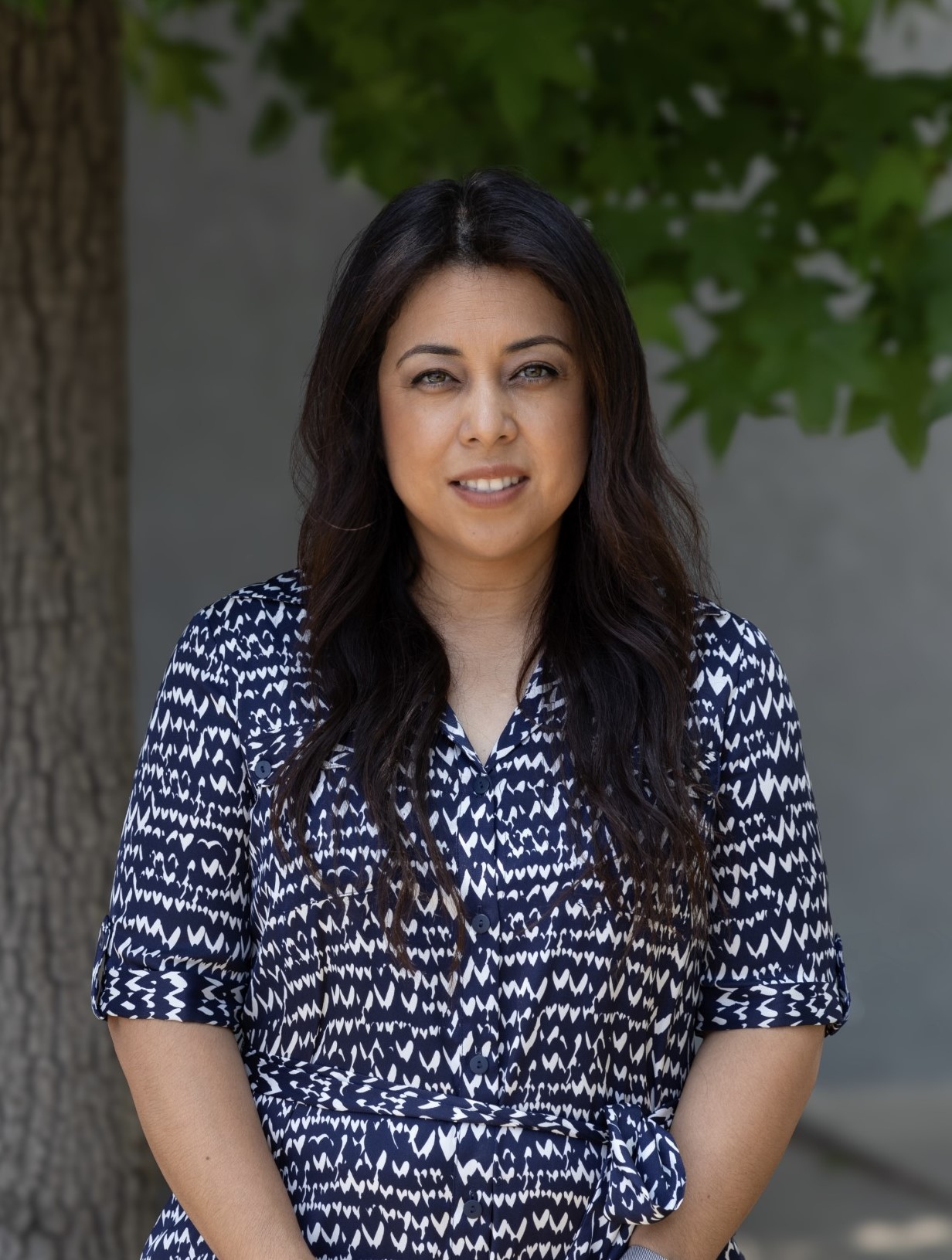
Gabriela Navarro, MSW, LCSW
Assistant Professor, Social Work and Social Ecology
Director, Field Education
Q: What is your professional background and what inspired you to pursue your career path?
A: I am a clinical social worker. I believe I have always had it in me to help others. Growing up in the Seventh-day Adventist Church, I grew up volunteering in my community and church. Helping others is a core value that was instilled in me by my parents and faith community. My faith is what inspired me to my profession. Social work is not just a career, it's a way to live my beliefs in everyday action.
Q: How has your work influenced your perspective on women's health and well-being?
A: Social work has deepened my understanding of the complex interactions of systemic factors that affect women across the lifespan. It helps me understand women holistically and contextually.
Q: What motivated you to pursue your current role, and how has your purpose evolved over time?
A: I came to academia as a clinical social worker with a deep desire to help develop the next generation of social workers. The mentors who guided me through my journey shaped not only my practice but also my understanding of what it means to serve others with compassion and integrity. Teaching allows me to pass forward the wisdom, values, and commitment they invested in me.
Q: What aspects of your work do you find most meaningful or rewarding, particularly in supporting others or promoting well-being?
A: Walking alongside others during moments of vulnerability and growth is most meaningful. Supporting individuals as they make sense of their experience, access resources, and build on their strengths is incredibly rewarding. Promoting well-being is not always about addressing immediate challenges but also about helping people develop the tools, support systems, and sense of agency needed to thrive.
Q: What practices or boundaries have helped you sustain your well-being throughout your career?
A: One practice that has sustained my well-being throughout my life and career is what I learned as a child: keeping the "morning watch," which means beginning the day in prayer and reflection on the Word of God. This time of spiritual grounding helps me center myself and approach the day with clarity and purpose. In a profession like social work, where compassion fatigue and burnout are real risks, I have learned the importance of intentionally nurturing myself spiritually, physically, and socially. When I care for my own well-being, I am better able to serve others from a place of fullness rather than depletion.
Q: What advice would you give to students or early-career professionals who want to pursue meaningful and impactful careers?
A: My advice to students and early-career professionals who want to pursue meaningful, impactful careers in clinical social work is to remain grounded in the profession's core values: compassion, humility, and a commitment to lifelong learning. Take the time to truly listen to those you serve and approach each person with curiosity rather than assumptions. Seek out strong mentors and be open to feedback, as growth often comes through reflection. Finally, remember that caring for your own well-being is essential; when you nurture yourself, you are better able to show up fully for the people and communities you serve.
Q: What does Women's History Month mean to you, personally or professionally?
A: As a clinical social worker, it highlights the need to recognize the unique challenges women often face, including health differences, caregiving responsibilities, and the impact of social expectations on their well-being. Personally, it is also a time to reflect on the strength, resilience, and contributions of the women in our families, communities, and professions, and to encourage practices that promote holistic wellness.
Interview conducted by Gelsey Aldana, Clinical Psychology PhD student