
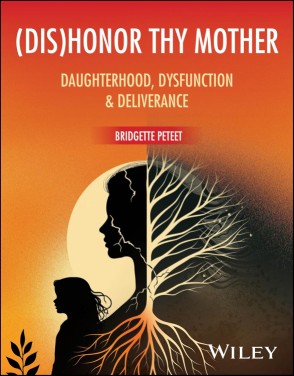
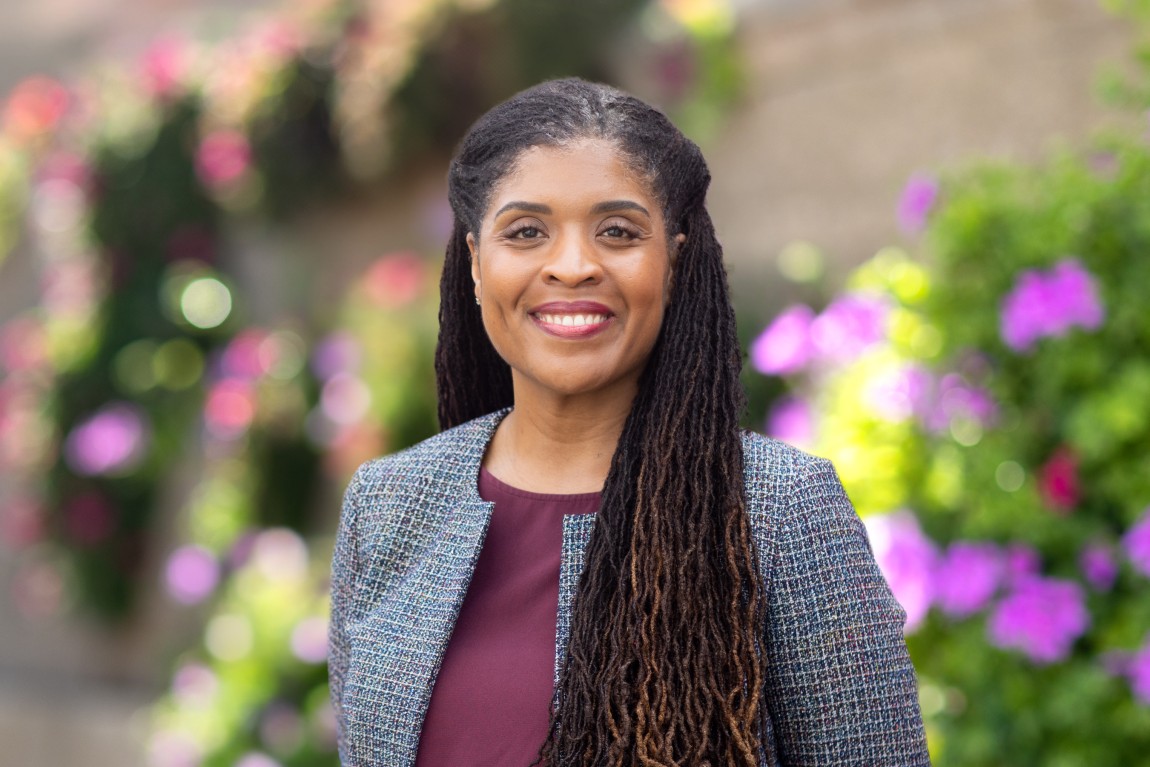
Dr. Bridgette J. Peteet, Professor of Psychology in the School of Behavioral Health, recently published (dis)Honor Thy Mother: Daughterhood, Dysfunction, and Deliverance through Wiley. Blending personal story, clinical insight, and ACEs-based research, the book explores how difficult maternal relationships shape identity and coping over time. Here she reflects on her work, what inspired the book, and her hopes for readers.
Dr. Peteet's Role at Loma Linda University
Dr. Peteet has served as a Professor of Psychology at Loma Linda University for six years with a research focus on community-based health discrepancies and the experiences of marginalized populations. She directs the RAD Lab, where her team studies substance abuse, COVID-19 vaccine discrepancies in the Black community, PrEP uptake, and culturally competent pharmacy practices. She also collaborates with the School of Medicine on a pipeline initiative for high school students pursuing health sciences careers. Across campus, she leads out in several committees and forums, and contributes to the President's Micah 6:8 Council. She teaches courses on substance use treatment, and culture and human populations.
How her professional path led her to the work she does today
Her career began in Cincinnati in community mental health and substance use treatment at an addiction facility. She later joined the University of Cincinnati as teaching faculty and eventually transitioned into a tenure-track role, expanding her research on substance use and the impostor phenomenon. After relocating to Loma Linda University in 2019, she continued her research and deepened her work in community-based discrepancies. Her early clinical work strengthened her commitment to addressing health gaps and shaped the community-centered, culturally responsive approach that guides her research today.
What inspired Dr. Peteet to write (dis)Honor Thy Mother
The idea started in graduate school, but she began writing during the early months of the COVID-19 pandemic. Returning to old journals, emails, and memories helped her form the earliest version of the manuscript. She was motivated by her own healing and by clients who struggled quietly with harmful or confusing maternal relationships. Many felt isolated or pressured to minimize their experiences. She hoped the book would offer language, connection, and space for readers to name what they lived. She also wanted to highlight resilience, often describing the "three Gs" that supported her healing: God, graduate school, and her grandmother.
What was the process of writing a book this personal was like
Writing meant returning to emotional parts of her life, especially memories involving her grandmother. She allowed herself to move at a pace that felt grounded and safe. Walking, journaling, and rereading past journals helped her stay grounded. Friends who shared similar experiences supported her through the heavier moments. She also joined a career coaching program that included four other mid-career psychologists who, like her, had always wanted to write a book. They became accountability buddies, meeting on Zoom multiple times a week for check-ins and quiet writing time, setting quarterly writing goals with small prizes when they met them, and planning all-day writing sessions and weekend retreats. That community and support played an important role in helping her continue with the book.
How she blended personal narrative, psychological insight, and the ACEs framework
The first half of the book is more narrative, bringing together her story and de-identified client examples to show that there is no single version of harmful maternal relationships. The second half offers more clinical grounding through the ACEs framework, including checklists, opportunities to think more deeply about one's experiences, and resources for readers who want additional support. Her goal was to create a book that anyone could pick up while still being useful for clinicians, students, and others who work with trauma and resilience.
The primary audience for this book
She wrote it for adult daughters trying to make sense of difficult maternal relationships, as well as anyone exploring how early experiences shape identity and boundaries. She also sees the book being used by clinicians, clients, and students, since it can support personal reflection while also offering language and context that are helpful in clinical work with trauma and resilience.
What she wants readers to keep in mind
She encourages readers to consider their emotional readiness, move at a pace that feels safe, and take breaks when needed. Boundary decisions like repair, distance, or no contact are complex and personal. She is also creating a guided journal to support readers who want to reflect more intentionally.
What feels most significant about this project
Her two daughters are at the center of the book. She hopes the work reflects her effort to create stability, safety, and connection, and that readers who have lived similar experiences feel less alone.
Where to find the book
(dis)Honor Thy Mother: Daughterhood, Dysfunction, and Deliverance is available through Wiley and Amazon.
Interviewed by Audrey I. Perez, AMFT, Systems, Families, & Couples PhD student