
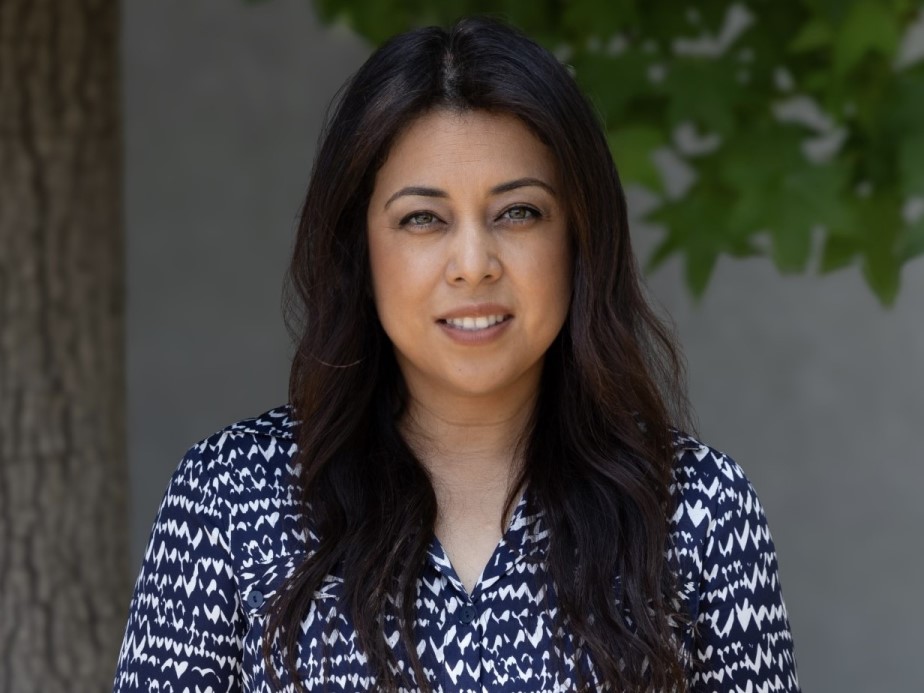
When a series of devastating earthquakes struck Venezuela in late June 2026, the instinct for many around the globe was to send supplies. For Gabriela Navarro, MSW, LCSW, the response was different. She immediately thought about the mental health needs of those on the ground, particularly the first responders who were helping others with their trauma while carrying their own. The earthquakes caused widespread loss of life and destruction, leaving thousands of families in need.
It all began with one question during a meeting with Dr. Beverly Buckles, Dean of the School of Behavioral Health (SBH) and founder of the Loma Linda University International Behavioral Health Trauma Team. Navarro, an SBH alumna and Assistant Professor and Director of Field Education in the Department of Social Work and Social Ecology, asked if the Adventist Development and Relief Agency (ADRA) was responding to the crisis in Venezuela. That conversation prompted a swift response. Dr. Buckles, who was already engaged in discussions with ADRA International about opportunities to expand its ongoing collaboration through the IBHTT, reached out to ADRA headquarters. Within the same week, a meeting was arranged to explore how the IBHTT could provide assistance in Venezuela. During this conversation, a need was identified: more than 20 first responders needed mental health support.
In consultation with Dr. Buckles, Navarro reached out to SBH alumni and connected with six alumni therapists with clinical experience: Judy Canales, MSW ’17; Luis Macias, MSW and MS in Criminal Justice ’21; Susana Ontiveros, MSW ’16; Tania Yepez-Stiger, MSW ’17; Alejandra De Leon, MSW and MS in Gerontology ’23; and Katia G. Angulo, MSW ’25. Despite their busy schedules, each responded with an enthusiastic yes!
The challenging part was coordinating a transnational clinical effort across seven very busy schedules, with sessions held shortly after the earthquakes. It required logistical creativity and flexibility, since the team was working across a three-hour time difference. Each therapist was willing to restructure their schedule to accommodate availability, and what began as a goal of 20 session slots expanded to 52 available appointments. Of those, 36 sessions were scheduled, a count that includes some appointments that were rebooked.
The main operational barrier was Venezuela's fragile infrastructure. Inconsistent internet connectivity and disrupted communication networks required the team to adapt in real time by rescheduling sessions, following up via email, and reinforcing to participants that logistical disruptions were understood and anticipated. A secondary challenge emerged in the second week, when the government authorized displaced individuals to return to their homes. This increased the demands on responders and affected their session availability.
"Sometimes the greatest gift we can give is simply showing up for someone who needs us."
Judy Canales, MSW ’17
The team took a holistic approach to care, using interventions grounded in evidence-based frameworks and tailored to the unique needs of first responders, who were themselves survivors of the earthquake. These included supportive counseling, psychoeducation, and wellness planning that offered a roadmap for ongoing self-care. Elements of the Community Resiliency Model (CRM) were also integrated into sessions, with therapists sharing both the skills and an accompanying app to support continued practice on their own.
The reaction from first responders was overwhelmingly positive. Participants were particularly receptive to discussions around fear normalization and the physiological dimensions of trauma. Many became emotional upon recognizing that their reactions were both valid and shared, a powerful moment of destigmatization. Responders expressed gratitude for a structured, safe space to process their experiences, something rarely available in high-demand disaster response.
"I'm really grateful I had the opportunity to participate. I would absolutely do it again."
Katia G. Angulo, MSW ’25
The success of the Venezuela initiative attracted attention beyond its original scope. ADRA Colombia reached out to Loma Linda University for similar support following the August earthquake in that country. Volunteer coordination, including an expanded volunteer roster and a session schedule, was underway when the ADRA Colombia team was deployed to respond to a community need. The Colombian response has since been placed on hold, but the framework developed for Venezuela remains ready for deployment.
Anyone interested in joining this growing network of volunteers is encouraged to contact Gabriela Navarro at [email protected]. Whether the next call comes from Colombia, Panama, or beyond, the message from this initiative is clear: a willing heart, a shared language of service, and a strong clinical foundation can provide an opportunity to serve locally while reaching globally.
Interviewed and Written by Kayce Shepard, Systems, Families, & Couples PhD student